
Optimize Your Testosterone Naturally
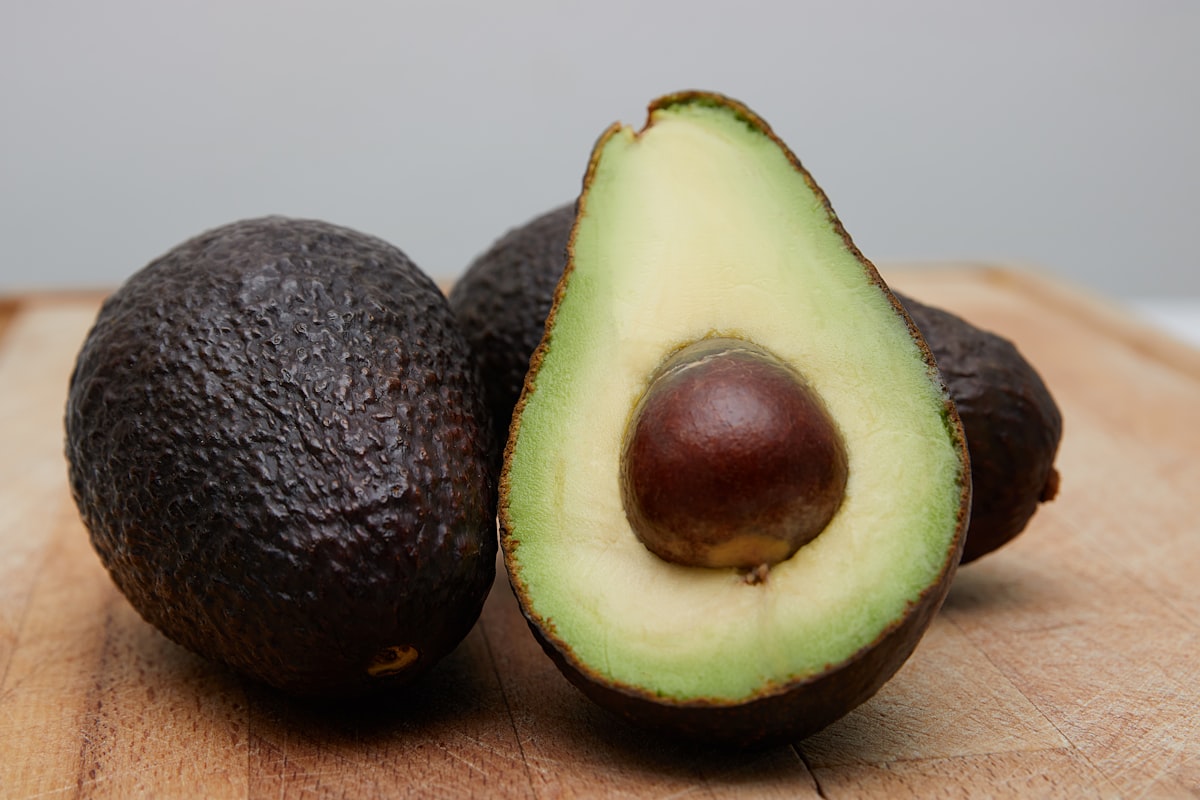
Understanding the role of nutrition in supporting healthy hormone levels is crucial for men's wellness. Our editorial platform explores evidence-based nutritional strategies designed to help you maintain optimal testosterone levels through dietary choices and lifestyle habits.
The information on this site is for educational purposes only and does not constitute medical advice. Always consult a qualified healthcare professional before making health decisions.
The 4-Step Nutrition Protocol
Our research-backed approach to supporting testosterone through nutrition follows these essential steps to optimize your dietary habits.
1. Assess Your Diet
Evaluate your current dietary patterns and identify nutritional gaps. Understanding baseline nutrition helps personalize your approach to support hormonal balance through informed choices.
2. Prioritize Key Nutrients
Focus on minerals and nutrients clinically associated with healthy testosterone levels, including zinc, magnesium, and vitamin D. These micronutrients play vital roles in hormone production and regulation.
3. Choose Quality Foods
Select nutrient-dense whole foods including lean proteins, healthy fats, and vegetables. Quality nutrition forms the foundation of any hormone-supportive dietary strategy.
4. Track and Adjust
Monitor your progress and adjust your nutritional approach based on how you feel. Consistent tracking helps identify which dietary modifications work best for your individual needs.
Why Nutrition Matters for Hormonal Balance
Scientific research demonstrates the critical connection between dietary patterns and hormonal health.
The Science Behind Nutrient-Driven Hormone Support
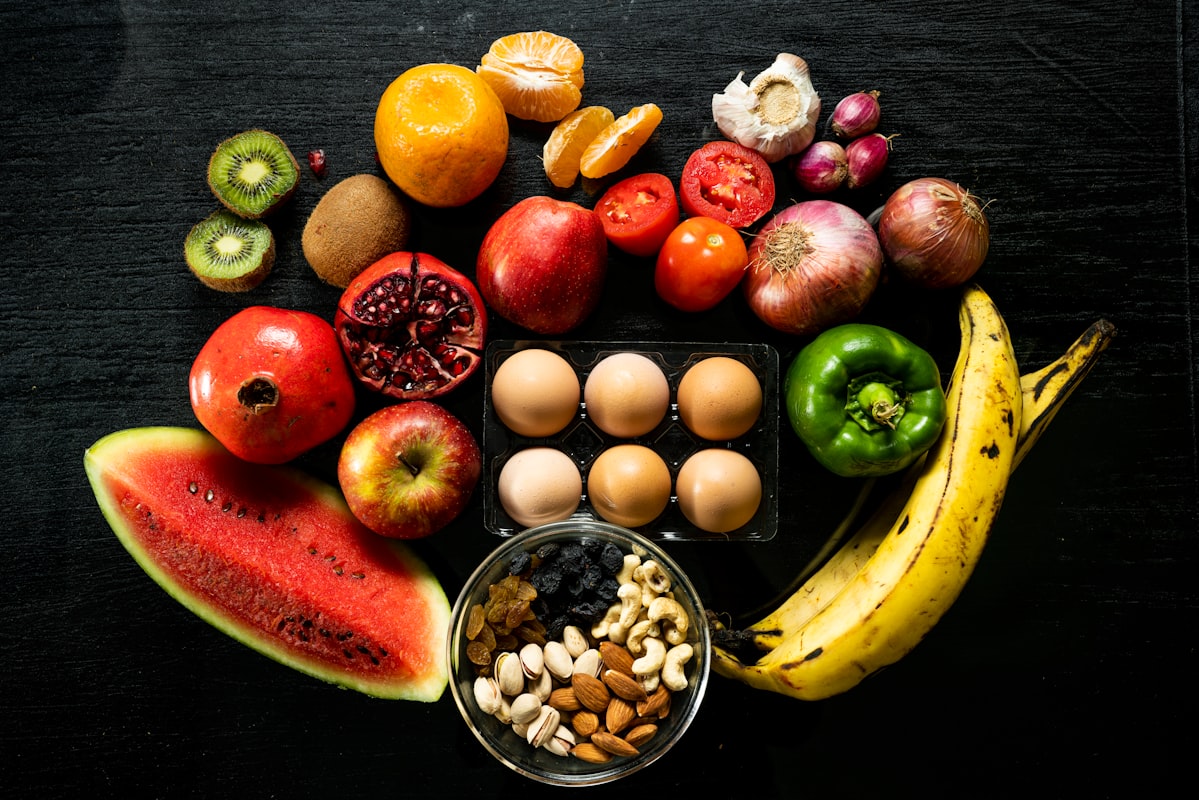
Your body relies on specific micronutrients to produce and regulate hormones effectively. Zinc, magnesium, vitamin D, and selenium are essential cofactors in the biochemical pathways that govern testosterone synthesis and metabolism.
Dietary deficiencies in these nutrients can compromise hormonal function, while adequate intake supports optimal endocrine health. Additionally, maintaining proper macronutrient balance and managing inflammation through food choices creates an internal environment conducive to hormonal stability.
Micronutrient Optimization
Targeted mineral and vitamin intake supports hormone production pathways.
Inflammation Management
Anti-inflammatory foods help maintain hormonal balance and overall wellness.
Metabolic Health
Proper nutrition supports weight management and insulin sensitivity.
Essential Nutrients for Testosterone Support
These key nutrients form the foundation of any nutritionally-sound approach to hormone support.
Zinc
A critical mineral involved in testosterone synthesis and overall reproductive health. Found in oysters, beef, pumpkin seeds, and chickpeas.
Supports immune function, protein synthesis, and DNA production alongside hormone regulation.
Vitamin D
Functions as a hormone itself and regulates gene expression for reproductive health. Obtained through sunlight exposure, fatty fish, and fortified foods.
Influences calcium absorption, immune function, and mood regulation in addition to hormone support.
Magnesium
Involved in over 300 enzymatic reactions, including those regulating hormone balance. Sources include spinach, almonds, pumpkin seeds, and dark chocolate.
Promotes muscle function, energy production, and stress management through nervous system regulation.
Selenium
A trace mineral essential for thyroid function and antioxidant defense. Found in Brazil nuts, tuna, whole grains, and eggs.
Works synergistically with vitamin E to protect cells and supports metabolism regulation.
Omega-3 Fatty Acids
Polyunsaturated fats that reduce inflammation and support cardiovascular health. Primary sources include fatty fish, flaxseeds, and walnuts.
Essential for brain function, hormone production, and maintaining healthy cell membrane composition.
Vitamin B Complex
B vitamins regulate energy metabolism and support hormone metabolism. Found in eggs, whole grains, meat, and legumes.
Crucial for converting nutrients into usable energy and supporting nervous system function.
Real Success Stories
Men from across Indonesia share their experiences implementing nutritional strategies for hormone support.
5.0/5
"I was skeptical about changing my diet, but after reading your detailed nutrition guides and implementing the recommended food choices, I noticed significant improvements in my energy levels within eight weeks. The information about micronutrients was eye-opening, and I finally understand why certain foods matter so much for my health. I've shared these articles with all my friends."
Budi Santoso
Jakarta
4.9/5
"The four-step nutrition protocol explained on this platform transformed my approach to eating. I learned that it wasn't about restrictive diets—it was about understanding which nutrients my body actually needs. Within three months of consistently following the guidelines, my workout performance improved dramatically. These science-based articles deserve more recognition."
Rudi Hermawan
Surabaya
4.95/5
"As someone who travels frequently for work, I appreciated how practical the nutrition guidance is. It's not theoretical—it's real-world advice that I can actually apply. The section on managing inflammation through food choices particularly helped me feel better during long work trips. I've recommended this platform to my entire office."
Ahmad Wijaya
Bandung
5.0/5
"What impressed me most was the scientific depth combined with accessibility. Every claim is backed by research, and the explanations are clear enough for someone like me without a nutrition background. I felt empowered to make informed dietary choices rather than just following trends. This is the kind of educational content we need more of in Indonesia."
Dian Prasetyo
Medan
Frequently Asked Questions
Find answers to common questions about nutrition-based hormone support.
How quickly will I notice changes?
Most people report noticeable improvements in energy and overall wellness within 4-8 weeks of consistently implementing proper nutritional practices. Hormonal changes take time as your body adapts to optimized nutrient intake. Individual results vary based on baseline nutrition status and lifestyle factors.
Do I need to follow a specific diet?
No single diet is universally optimal. Our approach focuses on ensuring adequate micronutrient intake and managing inflammation through whole foods. Whether you follow a Mediterranean, low-carb, or plant-based approach, you can implement these nutritional principles within your preferred dietary framework.
Can nutrition alone support hormone balance?
Nutrition is foundational but works best alongside adequate sleep, stress management, and regular exercise. These factors interact synergistically—optimized nutrition enhances the benefits of good sleep and physical activity. We recommend a holistic approach to wellness.
What foods should I prioritize?
Focus on nutrient-dense whole foods: fatty fish, eggs, oysters, beef, spinach, pumpkin seeds, almonds, Brazil nuts, olive oil, and colorful vegetables. Our detailed guides on the nutrition tips page provide specific recommendations and practical meal suggestions for Indonesian dietary preferences.
Is this information suitable for athletes?
Absolutely. Athletes have elevated nutritional demands. Our articles address micronutrient needs for active men, recovery nutrition, and how to optimize hormone balance while maintaining performance. The guidelines apply well to both sedentary and highly active individuals.
How do I personalize this approach?
Track your diet for one week and identify nutritional gaps. Use our nutrition assessment guide to determine which micronutrients might be deficient. Then gradually adjust your food choices to include more sources of these nutrients. Monitor how you feel and adjust accordingly based on your individual response.
Explore Our Comprehensive Nutrition Resource
Discover detailed articles, nutrient guides, meal planning tips, and science-backed strategies for supporting hormonal health through nutrition. Our editorial team continuously researches and publishes evidence-based content to help you make informed dietary choices.
Stay Updated with New Content
We respect your privacy. Unsubscribe at any time. See our privacy policy for details.